Introduction
Dismantling a car involves breaking down its components in a way that either prepares it for reuse, recycling, or scrapping. While the idea might seem simple at first, dismantling a vehicle requires a good deal of precision, organization, and knowledge. The process not only ensures that valuable parts can be salvaged, but it also promotes environmentally responsible disposal of car parts, oils, fluids, and other hazardous materials. In this guide, we will delve into how you can effectively dismantle a car, the tools required, and the role of a car dismantling machine in streamlining the process.
Essential Tools and Equipment for Car Dismantling
Before you start disassembling a vehicle, having the right set of tools is crucial. Improper or inadequate tools can lead to accidents, inefficiency, or even damage to the car parts that could have been reused. Below is a list of essential tools you'll need for car dismantling:
| Tool | Purpose |
| Socket Wrenches | Used for loosening and removing bolts. |
| Jack and Jack Stands | For lifting the car safely to access the underside. |
| Pry Bars | Helps with removing body panels and other difficult-to-remove parts. |
| Screwdrivers | Essential for removing screws, particularly on interior parts. |
| Cutting Tools | Used to cut through metal and plastic, especially when parts are no longer reusable. |
| Car Dismantling Machine | Used to streamline and automate the dismantling process. |
A car dismantling machine is particularly helpful for tasks like crushing or shearing large sections of the vehicle or for extracting valuable components, such as the engine or transmission, without damaging other parts.
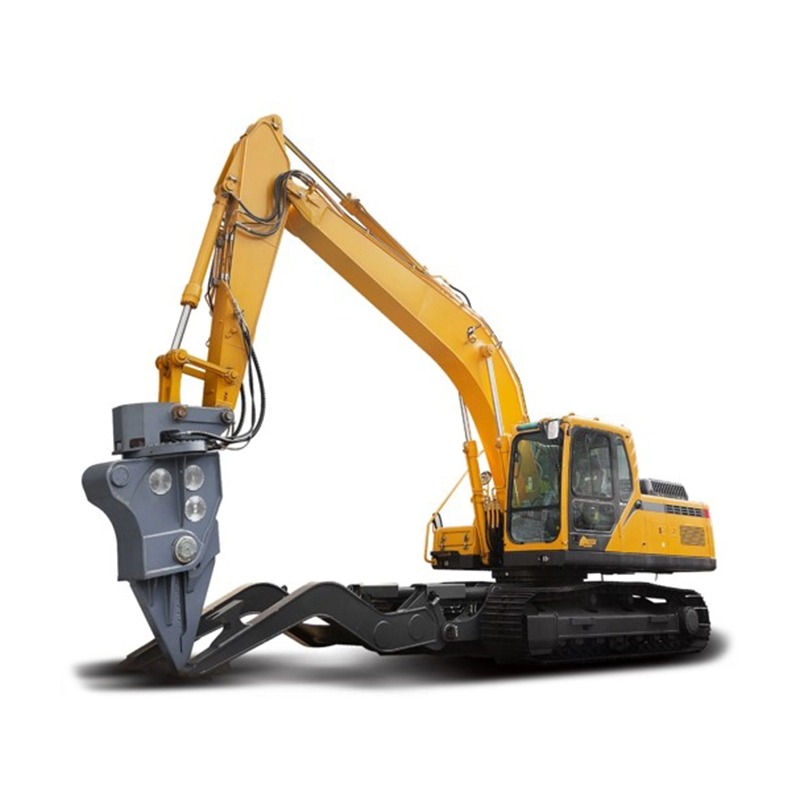
The Importance of a Car Dismantling Machine
A Car Dismantling Machine is an indispensable tool that can significantly increase the efficiency and safety of the dismantling process. These machines are designed to handle large-scale dismantling, breaking down a car quickly while minimizing human labor.
A typical car dismantling machine is equipped with hydraulic systems, cutting tools, and crushing capabilities to break down heavy car parts, such as the frame, engine block, or metal body panels. By utilizing such a machine, workers are able to reduce the time and physical effort required for disassembling the car.
Some of the key benefits of using a car dismantling machine include:
Efficiency: The machine accelerates the dismantling process by automating repetitive tasks.
Safety: It minimizes the risk of injury by handling heavy lifting and cutting tasks.
Environmental Impact: A well-maintained dismantling machine helps ensure that recyclable materials, such as metals and plastics, are extracted and processed correctly.
Precision: With a dismantling machine, there's less risk of damaging reusable car parts, ensuring a better salvage rate.
Step-by-Step Process for Dismantling a Car
The process of dismantling a car can be broken down into several stages, each requiring careful attention to detail and safety. Below is a general guide on how to dismantle a car:
Safety Precautions
Before starting, always ensure that the car is safely stabilized on a solid surface. Use a hydraulic jack to lift the car and place jack stands underneath for additional support. Disconnect the car’s battery to avoid electrical hazards, and wear personal protective equipment, including gloves, goggles, and steel-toed boots.
Disassembling the Exterior and Body Parts
Begin by removing the exterior parts such as the bumpers, doors, headlights, and side mirrors. These parts are usually fastened with screws or bolts, so a socket wrench and screwdriver will come in handy. After removing the exterior parts, move on to the car’s interior. You can start by taking out the seats, dashboard, and steering wheel. A pry bar is especially useful here.
Removing the Engine and Mechanical Components
Next, you will want to focus on the car's engine and mechanical components, which are typically the most valuable parts for resale. Use a car dismantling machine or a hoist to remove the engine block from the car. This is usually secured with bolts, so carefully loosen these using a wrench. Similarly, remove other components like the exhaust system, transmission, and suspension.
Handling Electrical Components and Wiring
After the mechanical components are taken out, proceed with the electrical wiring. Disconnect any wiring harnesses and remove electrical components like lights, fuses, and sensors. Be mindful of how you handle the wiring, as it can be reused or recycled.
Disposing of Fluids and Hazardous Materials
A critical step in dismantling a car is to safely dispose of fluids like oil, coolant, and brake fluid. These fluids can be hazardous to the environment, so always use appropriate containers and recycling centers. Be sure to also check for any other hazardous materials such as airbags, which should be disposed of by certified professionals.
Car Dismantling Machine: How It Simplifies the Process
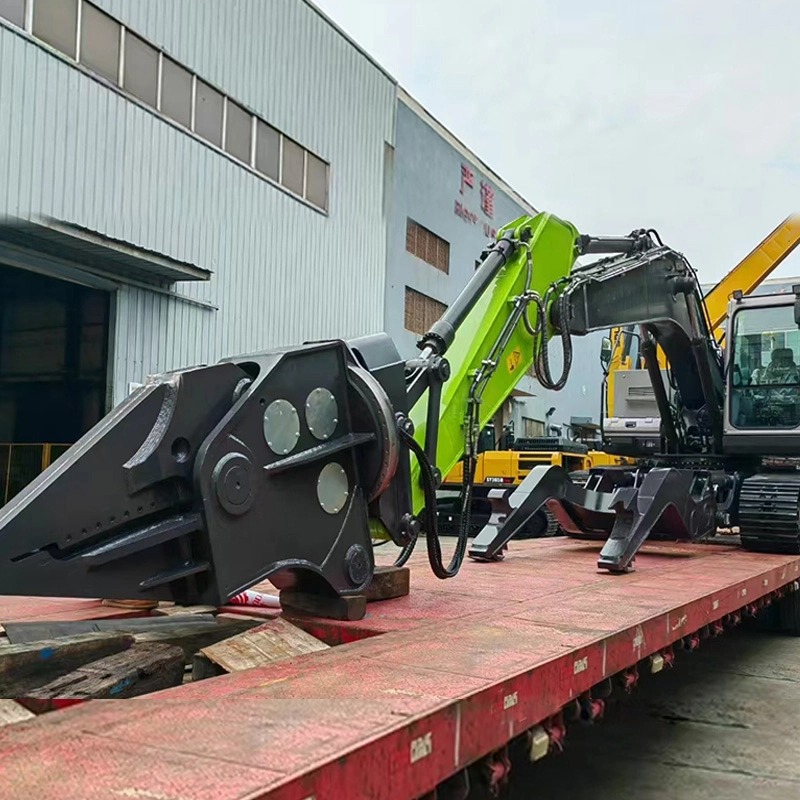
A car dismantling machine simplifies many of the most physically demanding tasks involved in dismantling a car. These machines are particularly beneficial in large-scale scrapyards or recycling plants where a high volume of cars needs to be dismantled. The machine can quickly crush, shear, or dismantle the body, and it is capable of separating metal from plastic, glass, and rubber parts with minimal human intervention.
With the advent of automated technology, these machines have also become more sophisticated. Some models can automatically sort and separate different materials, ensuring a higher rate of recycling. As a result, the car dismantling machine not only saves time and labor but also improves the overall effectiveness of the recycling process.
Benefits of Professional Car Dismantling vs DIY
While DIY car dismantling is an option for car enthusiasts or hobbyists, there are significant advantages to leaving the task to professionals:
| Aspect | DIY Car Dismantling | Professional Car Dismantling |
| Tools Required | Extensive toolset needed, including a dismantling machine | Professional equipment, including specialized machines |
| Time | Can be a long process depending on the car's condition | Much faster with specialized machinery |
| Safety | Risk of injury without the proper equipment | Safety protocols in place with expert handling |
| Environmental Concerns | Harder to ensure proper disposal of hazardous materials | Professionals follow strict environmental regulations |
Professional car dismantlers use advanced equipment such as the car dismantling machine to reduce risks, speed up the process, and ensure environmentally responsible disposal of materials.
Conclusion
Dismantling a car can be a complex but rewarding process, whether you are a hobbyist, a professional, or someone looking to recycle an old vehicle. Having the right tools and following a systematic approach will help ensure that the task is done safely and effectively.
A car dismantling machine is an excellent investment for anyone looking to streamline the process and improve efficiency, especially in larger operations. It not only speeds up the dismantling process but also contributes to better recycling and disposal practices.
FAQ
1. What is the best tool to dismantle a car?
The best tool for dismantling a car is a combination of manual tools such as wrenches, pry bars, and screwdrivers, along with a car dismantling machine for tasks like crushing and cutting.
2. Can I dismantle a car by myself?
Yes, it is possible, but you need to have the right tools, knowledge, and safety precautions. For large-scale dismantling, a car dismantling machine is highly recommended.
3. How long does it take to dismantle a car?
The time it takes to dismantle a car depends on its size, condition, and the tools available. Using a car dismantling machine can significantly reduce the time required.
4. What happens to the parts after dismantling a car?
Once dismantled, valuable parts such as the engine, transmission, and metal body parts can be sold or recycled. Fluids and hazardous materials need to be disposed of properly according to environmental regulations.
5. Where can I get a car dismantling machine?
Car dismantling machines are available for purchase through specialized equipment suppliers or manufacturers, many of whom offer both new and refurbished models.

 English
 العربية
 Français
 Русский
 Español
 Português
 Deutsch
 italiano
 日本語
日本語 한국어
한국어 Nederlands
 Tiếng Việt
 ไทย
ไทย Polski
 Türkçe
 አማርኛ
አማርኛ ພາສາລາວ
 ភាសាខ្មែរ
 Bahasa Melayu
 ဗမာစာ
ဗမာစာ தமிழ்
தமிழ் Filipino
 Bahasa Indonesia
 magyar
 Română
 Čeština
 Монгол
 қазақ
қазақ Српски
 हिन्दी
 فارسی
فارسی Kiswahili
 Slovenčina
 Slovenščina
 Norsk
Norsk Svenska
 українська
 Ελληνικά
 Suomi
Suomi Հայերեն
 עברית
עברית Latine
 Dansk
Dansk اردو
اردو Shqip
Shqip বাংলা
বাংলা Hrvatski
 Afrikaans
 Gaeilge
 Eesti keel
 Māori
Māori


