In this article, we’ll explore the benefits of incorporating hydraulic systems into a grapple, explaining how they improve the grapple’s efficiency and versatility. We will also discuss the various components involved, the steps to convert your existing grapple into a hydraulic system, and the maintenance practices necessary to keep your hydraulic grapple in optimal condition. Whether you’re looking to upgrade an existing grapple or are considering the hydraulic option for a new one, this guide will provide you with everything you need to know to make an informed decision.
What is a Grapple and Why Add Hydraulics?
A grapple is a mechanical device used to handle heavy and bulky materials. Its primary function is to grasp, lift, and transport objects such as logs, rocks, and scrap metal, which are too cumbersome for manual handling. Grapples are commonly used in industries like forestry, construction, demolition, and waste management.
Hydraulics add a crucial level of control and power to a grapple, transforming it from a basic manual tool to a high-performance machine. By utilizing hydraulic power, grapples can handle much heavier loads with greater precision. The addition of hydraulics turns a mechanical system into an automated one, which enhances safety and efficiency. There are several types of grapples: manual, mechanical, and hydraulic. While manual and mechanical grapples depend on physical strength and movement for operation, hydraulic grapples use pressurized fluid to move the arms, offering a much higher level of control and force.
Why Choose Hydraulics for Your Grapple?
Hydraulics provide significant advantages over manual and mechanical grapples. First, the lifting power is considerably increased, allowing operators to handle objects of greater weight and size. With hydraulics, operators also gain finer control over the movements of the grapple, ensuring greater precision and reducing the risk of damage to the materials being handled. Hydraulic systems allow operators to tackle tasks that would be too difficult or unsafe with a purely mechanical system, such as lifting heavy logs, recycling materials, or working in confined spaces.
Industries like forestry, construction, and recycling rely on hydraulic grapples for enhanced performance. The ability to lift and move larger and heavier materials safely and with better control leads to improved productivity, fewer accidents, and a reduction in operator fatigue.
How Does Hydraulics Work in a Grapple?
Understanding Hydraulic Power Systems
A hydraulic system works by transferring force through the use of pressurized fluid. The fundamental components of a hydraulic system include:
Pump: The pump generates the flow of hydraulic fluid, providing the necessary pressure to move the system.
Cylinders: These components convert hydraulic fluid pressure into linear motion, moving the grapple arms in a controlled manner.
Hoses and Fittings: These connect the various parts of the hydraulic system, allowing the fluid to travel between the components.
Control Valves: These valves control the flow and pressure of the fluid, enabling operators to control the movements of the grapple.
In hydraulic grapples, the fluid's pressure moves the grapple arms with power and precision, making tasks like lifting heavy materials or rotating the grapple much easier. The system’s design allows for better management of the grapple’s movements than mechanical systems, providing more consistent and reliable performance.
How Hydraulics Enhance Grapple Performance
Hydraulic cylinders in grapples allow for smoother, more controlled movements. This is in contrast to mechanical systems that rely on gears, levers, or cables. Hydraulic systems make it easier to control the speed, force, and direction of the grapple arms, improving precision and reducing the risk of mistakes or accidents.
The main advantage of hydraulics over non-hydraulic systems is the power-to-weight ratio. Hydraulic grapples can handle much heavier loads while still being manageable for the operator. This level of power allows for the handling of large logs, rocks, and scrap metal that would otherwise be impossible or inefficient to manage manually.
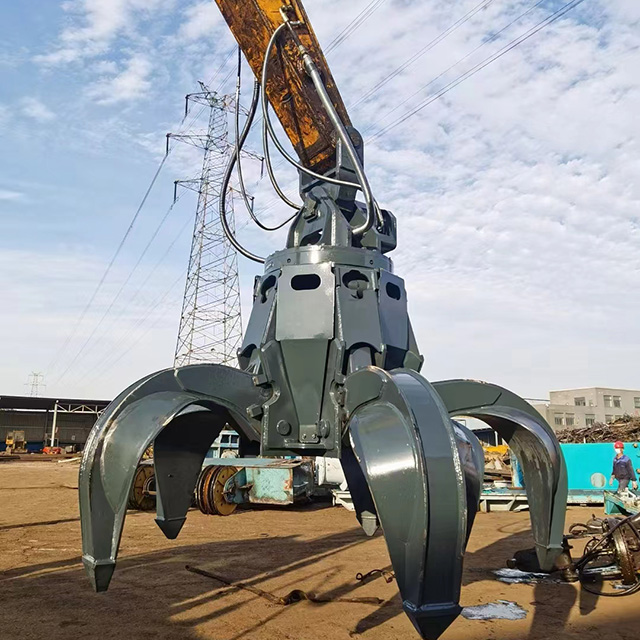
Key Benefits of Adding Hydraulics to a Grapple
Increased Lifting Capacity
One of the most significant benefits of adding hydraulics to a grapple is the increase in lifting power. Hydraulics can generate immense force, which is vital for moving heavy or awkwardly shaped objects like large tree trunks, boulders, or piles of scrap metal. Hydraulic grapples enable operators to move materials that might otherwise require multiple workers or heavy machinery.
For example, in forestry, hydraulic grapples can easily handle large logs, streamlining the process of lifting, sorting, and stacking. In construction, hydraulic grapples make the removal of heavy debris much easier.
Improved Precision and Control
The ability to control a hydraulic grapple with precision is a game-changer, especially for delicate tasks. In industries such as scrap metal recycling, where handling fragile materials or sorting valuable metal from waste is crucial, the added control reduces the risk of damage. Similarly, in forestry, where logs of different sizes must be lifted without causing harm to surrounding trees, hydraulic precision is essential.
Enhanced Versatility
Hydraulic systems offer the flexibility of multiple functions in a single tool. Many hydraulic grapples can be adjusted to perform a wide variety of tasks. For instance, hydraulic systems allow for varying the clamp width, opening and closing the grapple more precisely, or even rotating the grapple to improve its reach and maneuverability. This makes hydraulic grapples an essential tool on dynamic job sites where adaptability is key.
Reduced Operator Fatigue
Hydraulic controls significantly reduce operator strain, especially when compared to manual or mechanical systems that require more physical effort to operate. Hydraulic systems are easier to control, require less physical strength, and offer smoother movements. This leads to less fatigue, allowing operators to work for longer periods with greater comfort and safety.
Components Involved in Adding Hydraulics for a Grapple
Hydraulic Cylinder
The hydraulic cylinder is at the heart of the hydraulic system in a grapple. It is responsible for converting hydraulic pressure into linear motion to move the grapple arms. When selecting a hydraulic cylinder, it is important to match the cylinder's size and power capacity with the grapple’s design and intended workload. The size of the cylinder will determine the lifting force and the range of motion the grapple can achieve.
Hydraulic Pump
The hydraulic pump is responsible for supplying the hydraulic fluid under pressure to the system. There are different types of pumps, including gear pumps, which provide continuous flow, and piston pumps, which offer higher efficiency and pressure output. The choice of pump depends on the requirements of the job, including the required pressure and flow rates.
Hoses and Fittings
Selecting the right hoses and fittings is critical for ensuring the hydraulic system runs efficiently. These components must be durable and capable of handling high-pressure fluid flow without leaking. The correct hose material, size, and fitting type must be chosen to match the pump, cylinders, and the overall hydraulic system’s requirements.
Control Valves
Control valves manage the movement of the grapple arms by regulating fluid flow. These valves can be either manual or automatic. Manual valves give the operator full control over the grapple, while automatic valves allow for pre-set control, which is helpful for repetitive tasks. The choice of valve depends on the type of task and the level of precision required.
Hydraulic Fluid
The hydraulic fluid is essential for transferring power within the system. It also lubricates components, helps cool the system, and prevents corrosion. Choosing the right hydraulic fluid is essential to ensure efficient operation and to maintain performance, especially in varying environmental conditions. In colder climates, special cold-weather fluids may be required, while in heavy-duty applications, a more robust fluid may be necessary to handle the increased pressure.
How to Add Hydraulics to a Grapple
Step 1: Assessing Your Existing Grapple
Before converting your grapple to a hydraulic system, assess whether the existing model is suitable for hydraulic conversion. This includes checking for compatibility with hydraulic components and evaluating the grapple's size and weight to determine whether it can handle the additional force generated by hydraulics.
Step 2: Choosing the Right Hydraulic System
The next step is to choose the right hydraulic components. Consider the weight and size of the materials you’ll be handling, the required lifting capacity, and the overall work environment. You’ll need to select hydraulic pumps, cylinders, and valves that align with the specifications of your grapple and its intended tasks.
Step 3: Installing the Hydraulic Components
Installing the hydraulic system involves several steps:
Mount the hydraulic cylinder(s) securely to the grapple arms.
Connect the pump to the hydraulic system, ensuring that the fluid is properly directed to the cylinders.
Install hoses and fittings, ensuring they are properly secured and leak-free.
Connect the control valves and ensure they function correctly to manage the grapple’s movements.
Step 4: Testing the System
Once the system is installed, it’s important to test the hydraulic system for leaks, performance, and functionality. Check for adequate fluid pressure and verify that the grapple responds to control inputs as expected. Troubleshoot any issues such as slow movement, leaks, or erratic behavior during the test phase.
Maintenance and Troubleshooting of Hydraulic Grapples
Regular Hydraulic Maintenance
To keep your hydraulic grapple functioning efficiently, regular maintenance is essential. This includes checking the hydraulic fluid levels, inspecting hoses for wear or leaks, and replacing filters as needed. Keeping the hydraulic system clean and properly lubricated will extend its life and improve performance.
Troubleshooting Common Hydraulic Problems
If your grapple is not responding as expected, it may be due to low fluid pressure, leaks, or worn-out components. To troubleshoot, check fluid levels, inspect the hoses for any signs of damage or leaks, and ensure that the valves are functioning properly. It’s important to address issues quickly to prevent further damage to the system.
Preventative Measures
To avoid issues down the road, clean the hydraulic system regularly, lubricate moving parts, and inspect the components periodically. Proper storage of equipment and avoiding overuse will also help extend the lifespan of the system.
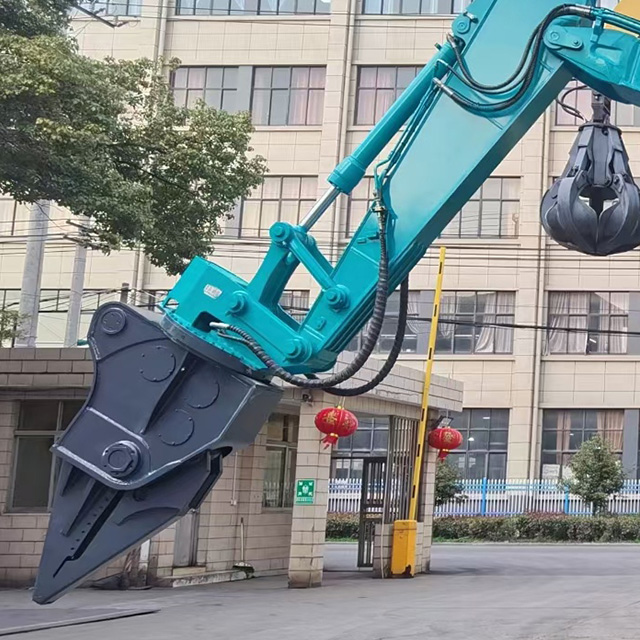
Safety Considerations When Using Hydraulic Grapples
Operating Safely with Hydraulic Systems
Hydraulic grapples, when properly maintained, are safe and effective tools. However, operators should always adhere to safety guidelines. This includes avoiding overloading the grapple, using it within its designed weight capacity, and keeping hands and body parts clear of moving parts.
Personal Protective Equipment (PPE)
To reduce the risk of injury, operators should wear appropriate personal protective equipment (PPE), including gloves, eye protection, and hard hats. This gear provides protection against debris, flying objects, and the potential dangers of hydraulic failure.
Conclusion
Adding hydraulics to a grapple significantly enhances its lifting power, precision, and versatility. With proper components and regular maintenance, a hydraulic grapple can handle heavier loads with greater efficiency, making it an invaluable tool for industries like forestry, construction, and recycling.Consider upgrading your grapple with hydraulic functionality to increase performance, safety, and productivity. Evaluate your needs and choose the right components to ensure a smooth and effective conversion.
FAQ
Q: Can I convert any grapple to hydraulic?
A: Not all grapples are suitable for hydraulic conversion. Before making the conversion, ensure that the existing grapple can handle the additional forces and has the appropriate mounting points for hydraulic components.
Q: How much does it cost to add hydraulics to a grapple?
A: The cost of hydraulic conversion can vary depending on the size of the grapple and the components needed. Basic systems may cost a few thousand dollars, while more complex systems can run into the tens of thousands.
Q: What’s the average lifespan of a hydraulic grapple?
A: With proper maintenance, a hydraulic grapple can last 10-15 years. Regular inspection and servicing will help prolong its life.
Q: How do I know which hydraulic components to choose?
A: Selecting the right hydraulic components depends on the type of material being handled, the required lifting capacity, and the work environment. Consult with a professional to ensure the components match your requirements.

 English
 العربية
 Français
 Русский
 Español
 Português
 Deutsch
 italiano
 日本語
日本語 한국어
한국어 Nederlands
 Tiếng Việt
 ไทย
ไทย Polski
 Türkçe
 አማርኛ
አማርኛ ພາສາລາວ
 ភាសាខ្មែរ
 Bahasa Melayu
 ဗမာစာ
ဗမာစာ தமிழ்
தமிழ் Filipino
 Bahasa Indonesia
 magyar
 Română
 Čeština
 Монгол
 қазақ
қазақ Српски
 हिन्दी
 فارسی
فارسی Kiswahili
 Slovenčina
 Slovenščina
 Norsk
Norsk Svenska
 українська
 Ελληνικά
 Suomi
Suomi Հայերեն
 עברית
עברית Latine
 Dansk
Dansk اردو
اردو Shqip
Shqip বাংলা
বাংলা Hrvatski
 Afrikaans
 Gaeilge
 Eesti keel
 Māori
Māori


