Introduction
Pile driving is a critical construction process used to establish the foundation of structures, especially when the surface soil cannot support heavy loads. A pile driver is a machine designed specifically for this purpose, ensuring stability and strength for buildings, bridges, docks, and other large-scale constructions. The pile driver uses force to drive long columns (called piles) deep into the earth, ensuring that they anchor firmly and provide the necessary support for the structure being built.
In this article, we will explore what a pile driver is, its types, how it works, and why it is so essential in construction. Additionally, we will look at its advantages, common uses, and safety considerations to offer a comprehensive understanding of this indispensable piece of equipment.
What Is a Pile Driver in Construction?
A pile driver is a heavy construction equipment used to drive piles (long, slender columns made from wood, steel, or concrete) into the ground to create a foundation for a building or other structure. The primary purpose of a pile driver is to transfer the load of the structure to a stable, deeper layer of soil or bedrock, bypassing the weaker layers at the surface. Pile driving is often used when traditional shallow foundations cannot provide sufficient support due to weak or unstable soil conditions.
Pile drivers come in different forms, including mechanical, hydraulic, and vibratory, each suited to specific soil types and project requirements. The piles are driven vertically into the ground, either by hammering, vibrating, or applying static pressure, depending on the type of pile driver and the nature of the construction project.
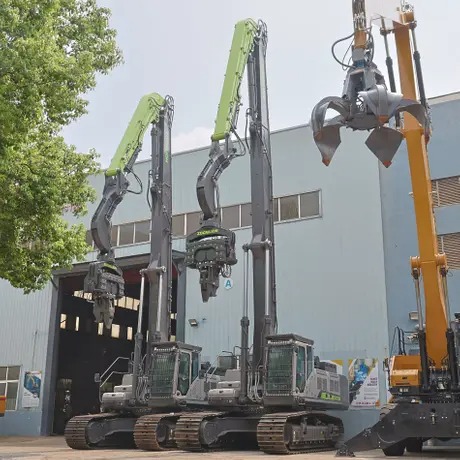
Types of Pile Drivers
Understanding the different types of pile drivers is essential for selecting the right equipment for a construction project. Here are the main categories:
Impact Pile Drivers
Impact pile drivers are the most traditional and widely used pile-driving machines. These machines use a large weight or hammer that is dropped onto the pile at regular intervals to drive it into the ground. The impact force generated by the hammer’s drop provides the necessary energy to penetrate the ground and push the pile deep into the soil.
Key Features:
Typically used for heavier piles and deeper driving.
Effective for driving piles in dense or resistant soil.
Can be noisy and cause vibrations that may affect surrounding structures.
Advantages:
Vibratory Pile Drivers
Vibratory pile drivers use a high-frequency vibration mechanism to reduce the friction between the pile and the surrounding soil, allowing it to sink more easily. These machines are often used for driving smaller piles and in softer, less dense soils where impact hammers may be inefficient.
Key Features:
Creates a high-frequency vibration to facilitate pile penetration.
Faster and quieter than impact hammers.
Ideal for use in urban or environmentally sensitive areas.
Advantages:
Hydraulic Pile Drivers
Hydraulic pile drivers use hydraulic force to apply pressure to drive piles into the ground. These machines are known for their precision and ability to apply constant pressure, which is particularly useful for driving piles in challenging conditions or in areas with limited space.
Key Features:
Operates using hydraulic power for a smooth and controlled driving process.
Can be used in various conditions, including both land and marine environments.
Less noisy and more controlled than impact pile drivers.
Advantages:
How a Pile Driver Works
The operation of a pile driver typically involves several key steps, each contributing to the installation of a strong and stable foundation:
Pile Preparation: Before starting the driving process, the pile is prepared and aligned in the correct position.
Pile Placement: The pile is placed vertically in the desired location, either by a crane or another lifting mechanism.
Driving Mechanism Activation: Depending on the type of pile driver, either a hammer, vibration mechanism, or hydraulic pressure is used to apply force to the pile, driving it into the ground.
Depth Monitoring: The pile is driven until it reaches the necessary depth, often monitored by sensors or manual checks.
Pile Completion: Once the pile has been driven deep enough to provide adequate support, it is secured in place, and the next pile (if necessary) is placed.
The Role of Pile Drivers in Construction Projects
Pile drivers play a crucial role in ensuring the stability and safety of structures. They are primarily used in the construction of buildings, bridges, docks, piers, and other heavy infrastructure. In areas with weak or unstable soil, pile driving becomes essential for transferring loads to more stable soil layers or bedrock.
Key Roles:
Deep Foundation Support: Pile drivers are the primary tool for constructing deep foundations, which are needed when the surface soil cannot support the weight of the building.
Bridge Construction: In bridge projects, pile drivers are used to install piles that will anchor the bridge's foundation to the ground or underwater bedrock.
Marine Construction: In marine environments, pile drivers are employed to create stable foundations for piers, docks, and oil platforms.
Advantages of Using a Pile Driver in Construction
There are several key benefits to using pile drivers in construction projects, especially when compared to traditional shallow foundations:
1. Stability: Piles driven deep into the ground offer superior support and can resist settlement, ensuring the long-term stability of a structure.
2. Versatility: Pile drivers can be used in a wide variety of soil conditions, from soft, loose soil to dense, rocky terrain.
3. Reduced Environmental Impact: Modern pile drivers, especially vibratory models, generate less noise and vibration, making them more suitable for urban or sensitive environments.
4. Speed: Pile driving is a relatively fast method for establishing a foundation compared to other traditional construction techniques.
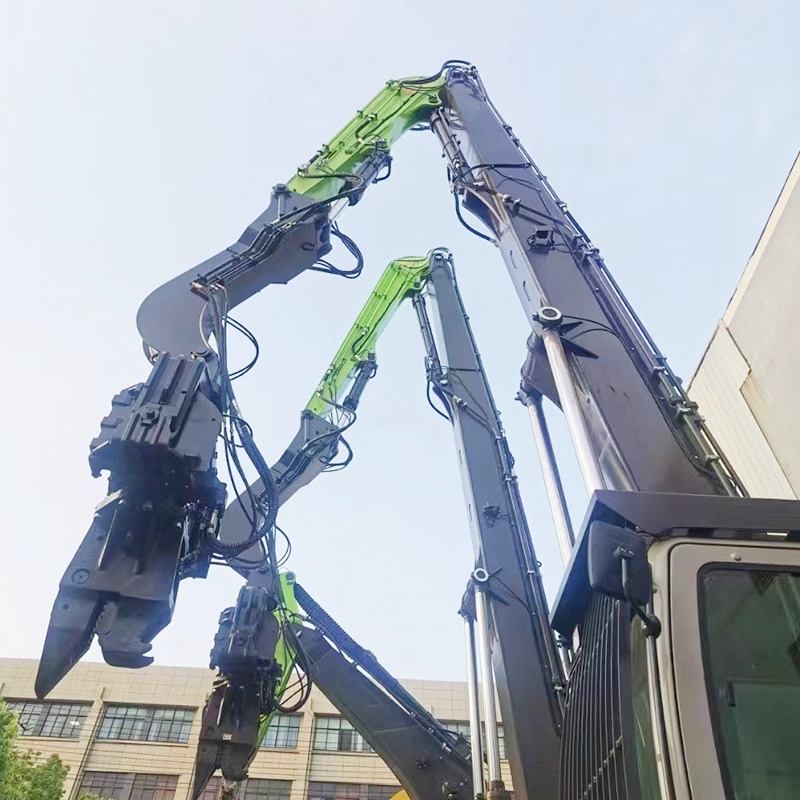
Common Applications of Pile Drivers
Pile drivers are used in a broad range of construction applications. Some of the most common include:
Building Foundations: Pile drivers are often used in skyscraper or multi-story building projects where deep foundations are necessary.
Bridges and Overpasses: Piles are used to anchor bridge supports, ensuring they are stable and able to bear heavy loads.
Marine Construction: In the construction of piers, docks, and offshore platforms, pile drivers are used to secure foundations underwater or in soft soil.
Road and Rail Projects: Pile drivers are used to provide solid foundation support for roadways and railways, especially in areas with unstable soils.
Safety Considerations and Challenges in Pile Driving
While pile driving is an essential construction method, it comes with its own set of safety considerations and challenges:
Noise and Vibration: Impact pile drivers, in particular, can generate significant noise and vibrations, which can be disruptive to nearby structures and residents. Using quieter vibratory pile drivers can mitigate this issue.
Worker Safety: Operators of pile drivers must be properly trained to handle the heavy equipment, and construction sites must follow strict safety protocols to prevent accidents.
Environmental Impact: Pile driving can affect the surrounding ecosystem, particularly in marine environments. Measures must be taken to minimize disruption to local wildlife and habitats.
Conclusion
In conclusion, pile drivers are indispensable tools in modern construction, offering the ability to create stable foundations in a wide range of soil conditions. Whether for buildings, bridges, or marine structures, the role of a pile driver is crucial in ensuring the strength and longevity of these projects. The various types of pile drivers—impact, vibratory, and hydraulic—provide flexibility and efficiency in their applications, while safety and environmental considerations remain central to the process.
By understanding the function, types, and applications of pile drivers, construction professionals can make informed decisions and ensure that their projects are built on solid, reliable foundations.
FAQs
Q1: What is the main purpose of a pile driver in construction?
A pile driver is used to drive piles into the ground to create a stable foundation for structures, particularly when the surface soil cannot provide adequate support.
Q2: How does a pile driver work?
A pile driver operates by applying force—either through impact, vibration, or hydraulic pressure—to drive piles deep into the ground until they reach stable soil or bedrock.
Q3: What are the different types of pile drivers?
The main types of pile drivers are impact, vibratory, and hydraulic. Each type is suited to different soil conditions and project requirements.
Q4: Where are pile drivers used?
Pile drivers are commonly used in construction projects such as buildings, bridges, piers, and marine platforms where deep foundation support is necessary.
Q5: Are pile drivers safe?
While pile driving is a safe and effective method, proper training, equipment maintenance, and safety protocols must be followed to mitigate risks associated with noise, vibration, and machinery operation.

 English
 العربية
 Français
 Русский
 Español
 Português
 Deutsch
 italiano
 日本語
日本語 한국어
한국어 Nederlands
 Tiếng Việt
 ไทย
ไทย Polski
 Türkçe
 አማርኛ
አማርኛ ພາສາລາວ
 ភាសាខ្មែរ
 Bahasa Melayu
 ဗမာစာ
ဗမာစာ தமிழ்
தமிழ் Filipino
 Bahasa Indonesia
 magyar
 Română
 Čeština
 Монгол
 қазақ
қазақ Српски
 हिन्दी
 فارسی
فارسی Kiswahili
 Slovenčina
 Slovenščina
 Norsk
Norsk Svenska
 українська
 Ελληνικά
 Suomi
Suomi Հայերեն
 עברית
עברית Latine
 Dansk
Dansk اردو
اردو Shqip
Shqip বাংলা
বাংলা Hrvatski
 Afrikaans
 Gaeilge
 Eesti keel
 Māori
Māori


