Scrap yards play a crucial role in recycling and waste management, serving as key hubs where valuable materials, such as metals, plastics, and electronics, are collected, sorted, and processed for reuse. These operations are vital for reducing environmental impact, conserving resources, and promoting sustainability. However, the efficiency of scrap yard operations depends heavily on how materials are handled. Proper material handling is essential for maximizing productivity, minimizing labor costs, and ensuring worker safety. This is where material handlers come into play. These specialized machines are designed to lift, sort, and move large volumes of scrap materials quickly and safely. By automating key tasks, material handlers optimize the efficiency of scrap yard operations, improve sorting accuracy, and ultimately increase the profitability and sustainability of recycling efforts.
What is a Material Handler?
A material handler is a specialized machine used for lifting, moving, sorting, and managing various materials in industrial settings, particularly in scrap yards and recycling facilities. These machines are designed to handle large volumes of scrap materials efficiently and safely. Material handlers play a crucial role in optimizing operations by automating material movement, which would otherwise require significant manual labor, thereby increasing both productivity and safety on the job site.
1.Key Features of Material Handlers
Lifting Capacity
One of the most important features of a material handler is its lifting capacity. Material handlers are equipped with powerful hydraulic systems and long arms that enable them to lift and move heavy scrap materials, such as metal, wood, plastic, and even large machinery parts. Their ability to handle substantial weight makes them essential for operations in scrap yards where bulky materials need to be lifted and transported efficiently.
Versatility
Material handlers are highly versatile and can be fitted with different attachments depending on the specific needs of the scrap yard. Whether it's a grapple for large scrap, a magnet for metal materials, or a clamshell bucket for handling bulk items, material handlers can adapt to various tasks. This flexibility allows them to sort, stack, and move different types of materials with ease, improving the overall workflow in a scrap yard.
Durability
Given the tough environment of a scrap yard, material handlers are built for durability. These machines are designed to withstand the wear and tear of handling abrasive, heavy, and often rough materials. With robust frames, reinforced structures, and high-performance components, material handlers are built to endure the demanding conditions of scrap yards, ensuring a long service life and minimal downtime.
2.How Material Handlers Benefit Scrap Yard Operations
Material handlers provide significant benefits to scrap yard operations by reducing manual labor, increasing sorting accuracy, and enhancing workflow efficiency. Their ability to quickly and safely move large amounts of scrap material directly improves productivity and helps optimize the overall recycling process. These machines contribute to safer work environments and a more organized and effective operation, making them a key asset for any modern scrap yard.
Key Ways Material Handlers Optimize Scrap Yard Operations
Material handlers are invaluable tools in scrap yard operations, offering several key benefits that improve efficiency, safety, and productivity. Their advanced capabilities make them a crucial part of modern recycling and waste management operations, providing solutions that address both operational challenges and environmental concerns.
1. Improved Efficiency
Material handlers significantly improve efficiency in scrap yards by speeding up the handling and sorting of materials. These machines are designed to move large volumes of scrap materials quickly, eliminating the need for multiple manual handling steps. Their powerful hydraulic systems and long arms allow them to lift, sort, and transport scrap with precision, reducing time spent on tasks like loading and unloading, sorting materials, and stacking scrap. This enhanced efficiency translates to faster processing times and a smoother workflow.
2. Increased Safety
By automating the movement and sorting of scrap materials, material handlers reduce manual labor and the associated risk of injury. Workers no longer have to manually lift heavy materials, reducing the likelihood of strains, accidents, or exposure to hazardous materials. Additionally, the high visibility and advanced controls of material handlers ensure that operators can safely control the machine from a distance, further enhancing safety by minimizing exposure to dangerous environments.
3. Precision and Control
Material handlers are equipped with advanced hydraulic systems that provide better control over movements, allowing operators to sort and separate materials with greater precision. Whether it’s using a grapple to pick up large scrap, a magnet for metal, or a clamshell bucket for handling bulk materials, the versatility of these machines ensures that materials are handled accurately. This precision helps avoid contamination of recyclable materials and ensures that different types of scrap are properly separated, which is crucial for the recycling process.
4. Cost Savings
Material handlers can help reduce labor costs by automating several aspects of scrap yard operations. With faster processing times and reduced need for manual labor, scrap yards can operate with fewer workers, lowering overall labor expenses. In addition, the increased productivity of the material handler translates into higher output and better utilization of resources, resulting in significant cost savings over time. The machine's durability and long service life also minimize the need for frequent repairs or replacements, making it a wise investment for long-term operation.
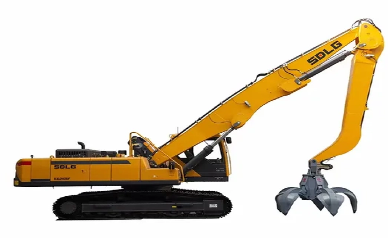
Benefits of Material Handlers for Scrap Yard Operations
Material handlers play a crucial role in improving scrap yard operations, enhancing efficiency and profitability. Their advanced features streamline tasks, optimize space, and allow for versatile handling of various materials.
1. Enhanced Productivity Through Automation of Material Movement
Material handlers automate material movement, increasing productivity by handling repetitive tasks like loading, unloading, and sorting faster than manual labor. This automation reduces processing time and allows workers to focus on more complex tasks, improving overall operational efficiency.
2. Improved Space Utilization
In space-limited scrap yards, material handlers help optimize space by organizing scrap efficiently. Their ability to stack and sort materials vertically or in confined spaces makes better use of available space, leading to a more organized yard and smoother operations.
3. Versatility in Handling Various Types of Scrap
Material handlers are highly versatile, able to handle different types of scrap materials—such as metals, plastics, electronics, and wood—with specialized attachments like grapples, magnets, or clamshell buckets. This adaptability improves sorting accuracy and reduces the need for multiple machines.
Types of Material Handlers Used in Scrap Yards
Material handlers are essential tools in scrap yard operations, and they come in different types and configurations to suit various tasks. The selection of a specific type depends on factors like the nature of the scrap, the environment, and the required mobility. Below are the key types of material handlers commonly used in scrap yards.
1. Wheeled Material Handlers
Wheeled material handlers are versatile machines designed for mobility and speed. These handlers are equipped with large rubber tires, making them ideal for scrap yards with smooth or paved surfaces. They are highly maneuverable, allowing for quick movement around the yard, making them excellent for operations requiring frequent relocation of materials across wide areas. Their speed and efficiency make them suitable for sorting and moving materials quickly.
2. Tracked Material Handlers
Tracked material handlers are built with crawler tracks instead of wheels, offering better stability and traction, especially in uneven, rough, or muddy environments. These machines are typically used in scrap yards where ground conditions are more challenging, such as wet or uneven terrain. Their lower ground pressure helps prevent damage to the surface, and they provide excellent stability for handling heavy loads. Tracked material handlers are also more durable in harsh conditions and offer better load-bearing capacity for tough tasks.
3. Stationary Material Handlers
Stationary material handlers are fixed in one location, often used for sorting and processing materials in a specific area of the scrap yard. These machines are typically found in environments where mobility is less important, but high lifting capacities and precision are needed. Stationary models can be equipped with large cranes or booms to handle large scrap materials or heavy machinery, making them ideal for bulk material handling and sorting in centralized locations.
FAQ (Frequently Asked Questions)
1.How do material handlers improve safety in scrap yards?
Material handlers reduce manual labor by automating the movement and sorting of materials, lowering the risk of worker injury and accidents.
2.Can material handlers handle all types of scrap materials?
Yes, material handlers are versatile and can manage a wide range of scrap materials, including metals, plastics, and electronic waste.
3.What makes material handlers more efficient than manual labor in scrap yards?
Material handlers can move, lift, and sort materials much faster than manual labor, speeding up scrap processing and reducing downtime.
4.Are material handlers environmentally friendly?
Many modern material handlers are designed with eco-friendly features, including fuel-efficient engines and the ability to recycle materials, reducing their environmental impact.
Conclusion
Material handlers are integral to the success of scrap yard operations, significantly enhancing efficiency, safety, and productivity. By automating the movement, sorting, and processing of materials, these machines reduce manual labor, improve sorting accuracy, and help optimize space utilization, all while increasing the overall output of the facility. Their versatility in handling various types of scrap materials and their ability to work in diverse environments—whether on smooth, paved surfaces or in rough, uneven terrain—make them indispensable in modern recycling and waste management. As technology continues to advance, we can expect further innovations in material handling, including smart automation, AI-powered sorting systems, and more eco-friendly solutions. These developments will likely enhance the precision, efficiency, and sustainability of material handlers, further improving the performance and environmental impact of scrap yards worldwide.

 English
 العربية
 Français
 Русский
 Español
 Português
 Deutsch
 italiano
 日本語
日本語 한국어
한국어 Nederlands
 Tiếng Việt
 ไทย
ไทย Polski
 Türkçe
 አማርኛ
አማርኛ ພາສາລາວ
 ភាសាខ្មែរ
 Bahasa Melayu
 ဗမာစာ
ဗမာစာ தமிழ்
தமிழ் Filipino
 Bahasa Indonesia
 magyar
 Română
 Čeština
 Монгол
 қазақ
қазақ Српски
 हिन्दी
 فارسی
فارسی Kiswahili
 Slovenčina
 Slovenščina
 Norsk
Norsk Svenska
 українська
 Ελληνικά
 Suomi
Suomi Հայերեն
 עברית
עברית Latine
 Dansk
Dansk اردو
اردو Shqip
Shqip বাংলা
বাংলা Hrvatski
 Afrikaans
 Gaeilge
 Eesti keel
 Māori
Māori


