


Views: 0 Author: Site Editor Publish Time: 2026-01-19 Origin: Site


The car dismantling process plays a crucial role in the automotive recycling industry. As the number of end-of-life vehicles continues to rise globally, efficient and environmentally responsible dismantling practices are more important than ever. Scrap cars contain valuable materials such as steel, aluminum, copper, and plastic, which can be recycled and reused in manufacturing new products. The process of dismantling not only recovers these materials but also helps in reducing waste and minimizing the environmental impact of landfills.
A car dismantling machine is a key piece of equipment in this process. Designed to streamline and automate the disassembly of vehicles, this machine increases efficiency, reduces labor costs, and ensures that valuable parts are recovered safely and systematically. By using advanced hydraulic, mechanical, and automated systems, car dismantling machines have become essential tools for scrap yards and recycling centers worldwide, contributing to a more sustainable and circular economy.
A Car Dismantling Machine is specialized equipment designed to automate the disassembly of end-of-life vehicles (ELVs). It efficiently breaks down cars into their individual parts, enabling the recovery of valuable materials for recycling. Using hydraulic, mechanical, and automated systems, this machine handles complex tasks that would otherwise require significant manual labor.
Fluid Removal:
The machine safely extracts hazardous fluids such as oil, coolant, and fuel, preventing environmental contamination.
Component Removal:
It removes reusable parts like engines, tires, and batteries, which can be refurbished or resold.
Shredding and Material Separation:
After removing major components, the machine shreds the vehicle into smaller pieces and sorts materials like metals, plastics, and rubber for recycling.
Automation:
Automation speeds up the dismantling process, improves efficiency, and reduces the need for manual labor.
Material Recovery:
Valuable materials such as steel, aluminum, and copper are recovered for reuse, reducing the need for new raw materials.
Waste Reduction:
The machine ensures minimal waste ends up in landfills, supporting a circular economy by recycling vehicle materials.
Safe Disposal of Hazardous Materials:
It handles hazardous materials safely, reducing environmental risk.
Energy Efficiency:
By automating the process, the machine improves energy efficiency and helps reduce the carbon footprint of vehicle recycling.
A Car Dismantling Machine automates the process of breaking down end-of-life vehicles (ELVs) to recover valuable materials for recycling. The process includes receiving the vehicle, dismantling, separating parts, and recycling the materials.
The car is brought to the dismantling facility and placed on a lifting platform or conveyor for easy access. It is inspected for hazardous materials like fuel and coolant before disassembly begins.
The machine uses hydraulic and mechanical systems to remove major components:
Fluid Extraction: Fluids such as oil and fuel are drained into containers for proper disposal.
Part Removal: Valuable parts like engines, tires, and batteries are removed using specialized tools, often with hydraulic arms.
After removing reusable parts, the vehicle is shredded into smaller fragments. The materials are then sorted:
Metals (steel, aluminum) are separated for recycling.
Plastics and Rubber are collected for reuse.
Glass is separated for appropriate disposal or recycling.
The separated materials are sent to recycling facilities, where they are processed and reused in the production of new products. Non-recyclable materials are responsibly disposed of.
Hydraulic power is used to lift vehicles, extract fluids, and remove heavy components like engines, providing controlled force for precise disassembly.
Shredders and cutters break down the vehicle’s body, separating metals, plastics, and other materials.
Automated systems control the entire process, speeding up dismantling, reducing manual labor, and ensuring efficient material separation.
Sensors and waste management systems ensure hazardous materials are safely handled, protecting both operators and the environment.
A Car Dismantling Machine relies on several key components to efficiently disassemble vehicles, recover valuable parts, and separate materials for recycling. These include hydraulic systems, separation mechanisms, and control systems.
Hydraulic systems provide the force needed to lift vehicles, extract fluids, and remove heavy components like engines.
Function: Hydraulic arms and cylinders apply controlled force to safely remove parts.
Collaboration: They work with mechanical components to automate tasks, speeding up the dismantling process and ensuring safety.
Separation mechanisms sort materials like metals, plastics, rubber, and glass for recycling.
Function: Shredders, magnetic sorters, and air classifiers divide materials after the vehicle is dismantled.
Magnetic separators pull out ferrous metals (steel).
Air classifiers separate lighter materials like plastics.
Collaboration: These mechanisms work with shredders to break down the vehicle and sort materials for recycling.
Control systems manage the entire dismantling process, coordinating hydraulic actions, separation, and safety features.
Function: They direct hydraulic and separation mechanisms, monitor sensors, and ensure tasks are completed accurately and safely.
Collaboration: The control system ensures the dismantling process is done in the correct order and with minimal errors.
Shredders and crushers break down the vehicle into smaller fragments for easier sorting.
Function: These components pulverize the car body, preparing materials for separation.
Collaboration: Shredders work with hydraulic systems and sorting mechanisms to break down and separate materials.
These systems remove hazardous fluids like oil, gasoline, and coolant.
Function: Fluids are drained into storage tanks for safe disposal.
Collaboration: Fluid extraction happens early in the process, before further dismantling, to prevent contamination.
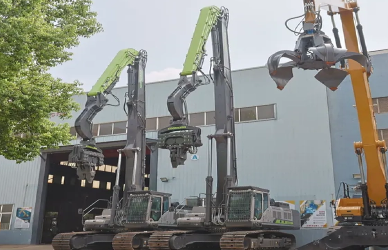
A Car Dismantling Machine serves several key industries, primarily focused on recycling, parts reuse, and environmental protection.
In the scrap car recycling industry, car dismantling machines automate the disassembly of end-of-life vehicles (ELVs), recovering valuable materials like steel, aluminum, and copper.
Function: It removes fluids, extracts reusable parts, and shreds the vehicle for material recovery.
Benefits: Supports the recycling of valuable materials, reducing the need for raw material extraction.
The parts reuse industry benefits from car dismantling machines by recovering and repurposing vehicle components like engines, tires, and batteries for resale or remanufacturing.
Function: The machine extracts reusable parts quickly and safely.
Benefits: Extends the lifespan of vehicle parts and provides affordable options for repairs.
In environmental and waste management, car dismantling machines reduce the environmental impact of scrap cars by efficiently sorting and recycling materials.
Function: Safely extracts hazardous fluids and sorts recyclable materials.
Benefits: Reduces landfill waste and prevents pollution, contributing to sustainability.
In the automotive manufacturing industry, the machine recovers materials from scrapped vehicles, which can be reused in the production of new car parts.
Function: Recovers metals, plastics, and other materials for recycling in manufacturing.
Benefits: Reduces the need for virgin raw materials and supports the circular economy.
Government agencies rely on car dismantling machines to ensure safe disposal and recycling of vehicles according to environmental regulations.
Function: Ensures proper handling of hazardous materials and recycling compliance.
Benefits: Promotes sustainability and enforces environmental laws.
The machine can handle various types of scrap vehicles, including cars, trucks, vans, and even heavy machinery like buses or construction vehicles. Its versatility makes it suitable for a wide range of vehicles, ensuring efficient dismantling across different vehicle categories.
Yes, the machine is designed to be environmentally friendly. It efficiently recycles valuable materials such as metals, plastics, and rubber, while safely disposing of hazardous fluids and components. This reduces waste and minimizes the environmental impact compared to traditional disposal methods.
The dismantling time depends on factors such as the type of vehicle, its condition, and the configuration of the dismantling machine. However, it is generally much faster than manual dismantling processes, often taking just a few hours to completely break down a vehicle and recover reusable materials.
Yes, most modern car dismantling machines are equipped with automated control systems and user-friendly interfaces, making them easy to operate. These systems automate many of the processes, reducing the need for manual labor and minimizing human error. Additionally, safety features such as emergency shutdowns and sensor monitoring ensure the safety of operators throughout the dismantling process.
Car dismantling machines play a crucial role in the automotive recycling industry by efficiently breaking down end-of-life vehicles and recovering valuable materials for reuse. These machines not only streamline the dismantling process but also contribute significantly to environmental sustainability by reducing waste, preventing pollution, and promoting a circular economy. As the demand for more eco-friendly and cost-effective recycling methods grows, car dismantling machines are becoming increasingly advanced, incorporating automation, improved sorting technologies, and enhanced safety features. Looking ahead, we can expect further innovation in areas such as AI-driven sorting systems, more energy-efficient designs, and automated processes that will make the dismantling process even faster, safer, and more sustainable. The continuous evolution of car dismantling technology will play a vital role in supporting the automotive industry’s transition to a more sustainable future.


