In industries such as construction, mining, and scrap recycling, high-altitude demolition is often essential for tasks like dismantling tall structures, removing hazardous materials, and breaking down large equipment. These tasks require specialized machinery capable of reaching extreme heights safely and efficiently. However, working at elevated levels introduces significant safety risks for workers, such as falls, falling debris, and exposure to dangerous materials. Traditional methods often place workers in precarious situations, requiring them to manually operate equipment at great heights. This increases the likelihood of accidents and injuries. Therefore, high-altitude demolition machines have become crucial in minimizing these risks. By offering extended reach, enhanced stability, and remote control options, these machines help ensure that workers remain safely on the ground while allowing them to complete demolition tasks with precision and control.
What Are High-altitude Demolition Machines?
High-altitude demolition machines are specialized equipment designed to carry out demolition tasks at elevated heights in industries such as construction, mining, and scrap recycling. These machines allow operators to safely and efficiently dismantle tall structures or large equipment, minimizing the need for workers to work at dangerous heights.
1.Purpose of High-altitude Demolition Machines
These machines are primarily used to perform tasks like cutting, crushing, or dismantling structures at high altitudes. They ensure worker safety by keeping them grounded while providing the precision, reach, and control necessary for challenging tasks. By reducing the need for manual labor at heights, they help lower the risk of falls, injuries, and accidents.
2.Key Features of High-altitude Demolition Machines
Extended Reach
Equipped with long-reaching booms or hydraulic arms, these machines can access high or difficult-to-reach areas without scaffolding, allowing precise demolition at great heights.
Stability and Safety
Stability is ensured with stabilizing systems like outriggers or track-mounted bases, which prevent tipping even on uneven ground, ensuring safe operation at heights.
Remote Operation
Many high-altitude demolition machines are remotely operated, allowing operators to control them from a safe distance, reducing exposure to hazards like falling debris.
Advanced Control Systems
These machines feature automated control systems that enable smooth movements, reducing human error and improving safety and efficiency during demolition.
Heavy-duty Build
Built for demanding conditions, these machines are durable and designed to handle heavy loads and vibrations, ensuring reliable performance in tough environments.
Key Safety Features of High-altitude Demolition Machines
High-altitude demolition machines are equipped with several key safety features that enhance both efficiency and safety during demolition tasks. These features help reduce risks to workers and improve operational precision.
1. Extended Reach and Precision
One of the most important safety features is the machine's extended reach. With long-reaching booms and telescopic arms, high-altitude demolition machines can access tall structures and hard-to-reach areas without the need for workers to manually operate at dangerous heights. This significantly reduces the risk of falls or accidents, as the machine does the work while keeping operators safely grounded. Additionally, the precision of the machine ensures that tasks are performed accurately, further minimizing the likelihood of mistakes that could lead to safety hazards.
2. Stabilizing Systems
To ensure stability, high-altitude demolition machines are often equipped with stabilizing systems like outriggers or track-mounted bases. These systems prevent the machine from tipping, even when working on uneven surfaces or at great heights. The stability of the machine is crucial when working in precarious positions, as it guarantees that the equipment remains steady, reducing the risk of accidents and ensuring smooth operation during demolition.
3. Remote Operation
Remote operation is a critical safety feature that allows operators to control the machine from a safe distance. This feature minimizes workers' exposure to dangerous environments, such as falling debris or structural collapses. By controlling the machine remotely, operators can perform tasks like cutting, lifting, and crushing without being in harm’s way. The ability to operate the machine from a distance also provides greater flexibility and precision in handling demolition tasks.
4. Advanced Control Systems
High-altitude demolition machines are equipped with advanced control systems that automate many of the demolition processes. These systems help to reduce human error and improve operational safety by providing real-time monitoring and feedback. Automated controls ensure that movements are smooth and precise, reducing the chances of accidents caused by operator mistakes. Additionally, these systems often include safety alerts and sensors that help operators stay aware of potential risks, further enhancing safety during demolition operations.
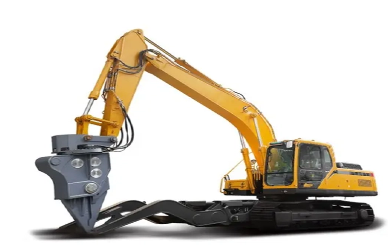
How High-altitude Demolition Machines Minimize Risk
High-altitude demolition machines are essential for minimizing risks in hazardous tasks, such as working at heights, heavy lifting, and handling dangerous materials. By automating complex operations, these machines keep workers safe and improve overall demolition efficiency.
1. Reduction of Worker Exposure to Hazardous Tasks
High-altitude demolition machines significantly reduce worker exposure to dangerous tasks. Traditional demolition often requires workers to operate at dangerous heights, which exposes them to risks like falls, flying debris, or structural collapse. These machines minimize such risks by:
Eliminating the need for workers to work at heights, as the machine can reach and dismantle elevated sections.
Automating heavy lifting, removing the need for manual handling of large, hazardous materials.
Remote operation, allowing operators to control the machines from a safe distance, keeping them away from potential hazards.
2. Tasks Made Safer by High-altitude Demolition Machines
High-altitude demolition machines enhance safety in several critical tasks:
Demolition of Tall Structures
Demolishing tall buildings is dangerous, especially at upper levels. These machines can reach great heights, performing precise tasks like cutting beams or removing debris without workers needing to climb or be exposed to the risk of falls.
Removal of Hazardous Materials
For sites with toxic materials like asbestos or chemicals, high-altitude machines can safely handle these dangers by removing contaminated sections from a distance, preventing workers from exposure.
Managing Structural Collapse and Debris
Traditional demolition exposes workers to falling debris. With high-altitude machines, demolition can be controlled, ensuring debris falls in safe, predictable areas, reducing the chance of injury.
Heavy Equipment Handling and Lifting
The machine's hydraulic systems handle heavy lifting, reducing the need for manual lifting by workers, thus preventing strain or injury.
Table: Key Safety Features of High-altitude Demolition Machines
Feature | Description | Safety Benefit |
Extended Reach | Machines can extend to great heights, reducing the need for manual labor at dangerous levels. | Minimizes the need for workers to be exposed to high-altitude work, reducing fall and injury risks. |
Stabilizing Systems | Features like outriggers or tracked bases ensure the machine remains stable during operation. | Prevents tipping, ensuring the machine stays secure even on uneven or elevated ground, enhancing safety. |
Remote Operation | Allows operators to control the machine from a distance using wireless controls or automated systems. | Reduces operator exposure to hazardous environments and height-related risks by keeping them safely on the ground. |
Advanced Control Systems | Automates complex tasks and provides real-time feedback to operators. | Minimizes human error, enhances precision, and improves safety by ensuring tasks are completed accurately. |
FAQ (Frequently Asked Questions)
1.How do high-altitude demolition machines prevent accidents?
High-altitude demolition machines reduce the need for workers to operate at dangerous heights, minimizing the risk of falls and other height-related accidents. They also provide greater control through stabilizing systems, which ensure the machine remains secure on uneven or elevated ground, and remote operation, allowing operators to control the machine from a safe distance, away from potential hazards like falling debris.
2.Can high-altitude demolition machines be used in all types of demolition?
Yes, these machines are versatile and can be used for various types of demolition, such as dismantling tall structures, handling hazardous material removal, and breaking down large or heavy equipment. Their ability to reach great heights and operate in difficult environments makes them ideal for a wide range of demolition tasks.
3.What industries benefit most from high-altitude demolition machines?
Construction, mining, and waste management industries benefit the most, as they often involve high-altitude tasks or hazardous material handling. These sectors require demolition work at significant heights, where worker safety is paramount. High-altitude demolition machines allow these industries to complete such tasks with increased efficiency and safety.
4.Are high-altitude demolition machines easy to maintain?
Modern high-altitude demolition machines are built for durability, with robust systems designed to withstand demanding demolition environments. However, regular maintenance is essential to ensure optimal performance, particularly for hydraulic systems and control mechanisms. Routine inspections, lubrication, and component checks help maintain the machine’s longevity and ensure safe operation.
Conclusion
High-altitude demolition machines play a crucial role in enhancing safety in industries where workers are exposed to high-risk tasks such as working at great heights, heavy lifting, and handling hazardous materials. By reducing the need for manual labor in dangerous environments, these machines ensure that demolition tasks are carried out efficiently and with minimal risk to workers. Key features like extended reach, remote operation, and advanced stabilization systems contribute significantly to worker protection and operational precision, making high-altitude demolition much safer compared to traditional methods.
Looking ahead, technological advancements are likely to further enhance the capabilities of high-altitude demolition machines. Innovations such as AI-driven automation, smarter safety features, and increased machine mobility will continue to improve safety standards, reduce human error, and optimize demolition processes. These advancements will not only make high-altitude demolition even more efficient but also further minimize risks, supporting a safer and more sustainable approach to industrial demolition.

 English
 العربية
 Français
 Русский
 Español
 Português
 Deutsch
 italiano
 日本語
日本語 한국어
한국어 Nederlands
 Tiếng Việt
 ไทย
ไทย Polski
 Türkçe
 አማርኛ
አማርኛ ພາສາລາວ
 ភាសាខ្មែរ
 Bahasa Melayu
 ဗမာစာ
ဗမာစာ தமிழ்
தமிழ் Filipino
 Bahasa Indonesia
 magyar
 Română
 Čeština
 Монгол
 қазақ
қазақ Српски
 हिन्दी
 فارسی
فارسی Kiswahili
 Slovenčina
 Slovenščina
 Norsk
Norsk Svenska
 українська
 Ελληνικά
 Suomi
Suomi Հայերեն
 עברית
עברית Latine
 Dansk
Dansk اردو
اردو Shqip
Shqip বাংলা
বাংলা Hrvatski
 Afrikaans
 Gaeilge
 Eesti keel
 Māori
Māori


